1
Choose the subject image carefully
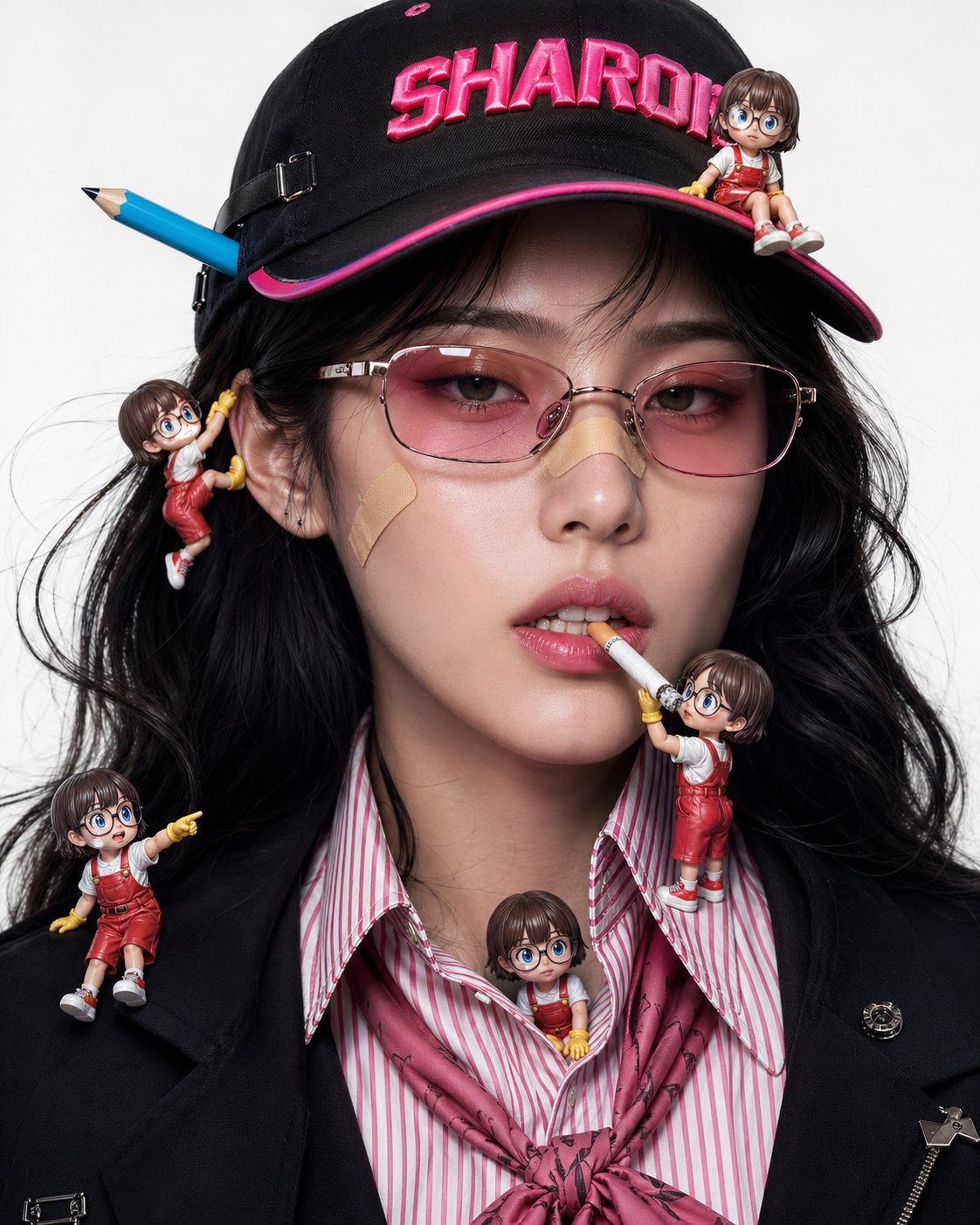
Use a clean subject image because that still frame decides who or what will receive the transferred motion.
Built for motion transfer: pair a still subject with a driving clip when the key creative question is how the body, gesture, or product should move.
Kling Motion Control is not a generic text-to-video tool. It is designed for cases where the movement already exists in a driving clip and the task is to transfer that motion into a chosen subject image.
Its core promise is simple: borrow motion from a real clip instead of hoping a text prompt invents the right movement.
The movement comes from a reference clip, which makes the workflow stronger when the exact gesture or rhythm is already known.
Think in terms of subject plus movement source, not only subject plus prompt.
Use a clean subject image because that still frame decides who or what will receive the transferred motion.
The reference video should contain the actual rhythm, gesture, or choreography that you want the output to inherit.
First confirm the transfer is believable, then refine scene styling and visual tone around it.
The model is strongest when the key creative asset is movement itself.
Transfer choreography into a chosen subject when the movement pattern is the real point of the shot.
Useful for scenes where body language carries more meaning than the environment.
A practical way to test movement ideas when a real reference clip already exists.
Move objects through reference-driven gestures when the physical motion should feel specific.
A good fit for short clips where copied rhythm or gesture is central to the hook.
Use it as a bridge between a real piece of movement and a designed visual subject.
Bring a still subject and a strong driving clip together, then refine the styling once the transferred motion is doing the right job.
Answers about driving clips, subject images, and movement transfer.
The recurring theme is that motion reference changes the whole workflow.
“
The point of Motion Control is obvious: we can borrow real movement instead of trying to describe it perfectly in text.
“
For dance and gesture work, a driving clip is a much stronger control surface than a prompt.
“
We use it when movement is the asset and the subject image just needs to carry that movement believably.
“
The workflow improves the moment you realize it is solving motion transfer, not generic generation.
“
It is surprisingly useful for object movement and product interaction shots where the reveal motion should feel specific.
“
Motion Control matters most when the reference clip is already the best description of what the shot should do.
Browse the rest of the library when the next clip needs prompt-led invention, dialogue sync, or cinematic continuity instead of reference-based motion transfer.
5 Items
6 Items
2 Items